Wood quality scale
Wood quality scale
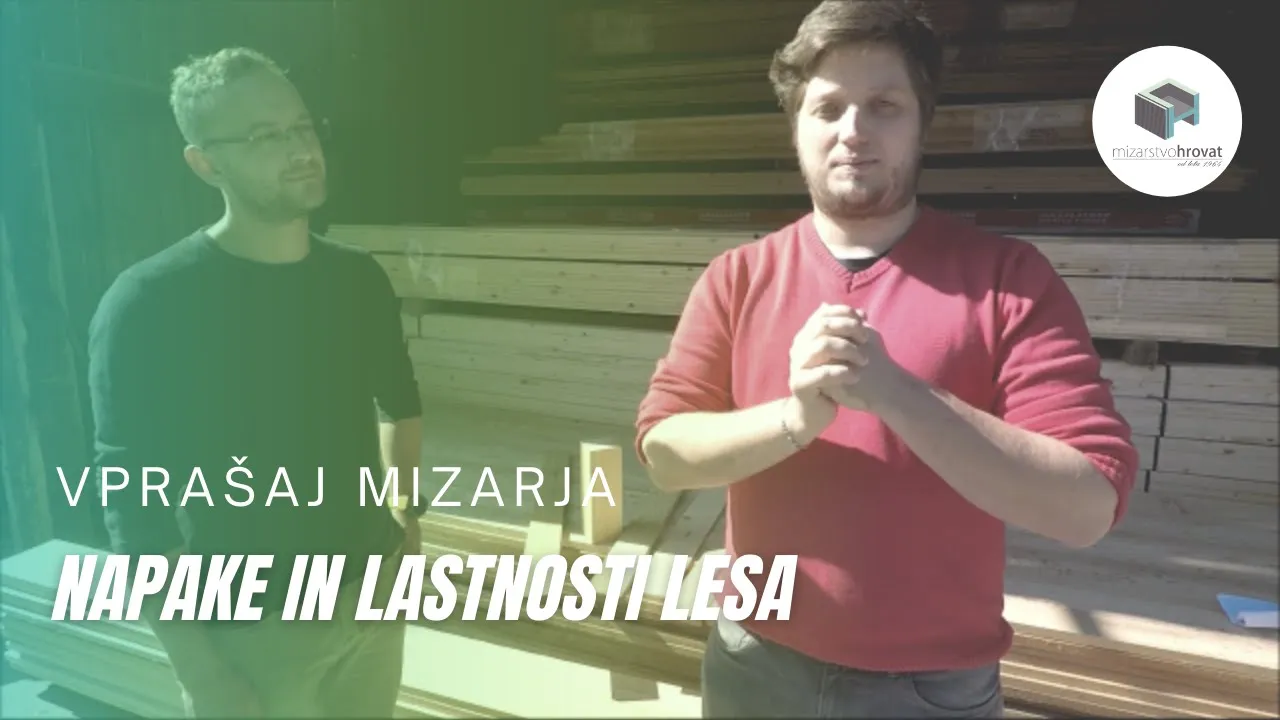
Wood is a natural material, therefore every wooden element is unique. There are various standards for determining wood quality, but they require a great deal of knowledge and are practically useless for the average buyer. These standards contain detailed descriptions of permitted defects for a certain quality grade, the number of these defects per specific surface area, the size and number of knots, resin pockets, permitted color defects, cracks, etc.

To avoid futile debates and counting knots, based on many years of experience we decided to create an "internal regulations" on wood quality. It is much more realistic and understandable to everyone without special explanations.
You are choosing a natural material, which has its own natural characteristics and behaves differently under different weather conditions. Wood is alive, so it expands and contracts, and cracks may also occur. All these are characteristics of natural materials.
This is what wood in 1st quality looks like:

Some knots are allowed, but there are few of them and they are not prominent. Just in case, knots that may fall out are also patched and replaced with a wooden "patch". Such wood is very stable in the long term. Because it has few knots and little resin, there is less तनाव in the wood; consequently, the wood warps less and cracks less over time.
For our products made of Siberian larch we use exclusively 1st quality wood. Before installation, our team carefully sorts it by hand.
In 1.b quality, more knots are expected, and resin pockets are also allowed, but this wood is still fully usable in construction. As a rule, the knots are not loose, and the resin pockets are not too large to drastically affect functionality. Because heartwood (pith) is also allowed, in combination with knots and resin there is a greater possibility of cracks and warping in the wood. With proper screwing, this should also not affect functionality. We use this quality for less important surfaces (under Cubie houses) and surfaces that are not visible (substructure).
Photograph:




Your professional advisor

Marko Hrovat
representative and co-owner
I will be delighted to answer all your questions and concerns.
I can be reached at the phone number 01 724 82 05, from Monday to Thursday between 8 AM and 4 PM and on Fridays between 6 AM and 2 PM or at the email address info@hrovat.net
Hrovat company in the media
Follow us




CO2-neutral craftsman


-
successful business years of the family company
-
 800+
Cubie houses made
-
No.1
in modular construction from natural materials
-
20
dedicated and professional colleagues
-